
Dogs need the right balance of protein, fats, carbohydrates, vitamins, minerals, and water. Protein supports muscle repair, fats fuel energy and skin/coat, carbohydrates aid digestion, and micro-nutrients keep metabolism on track. Overfeeding (or low-quality foods) can lead to weight gain and long-term health strain.

What To Look For On a Food Label
You can watch Micol here explain what to look for when reading dog food label:
How to Read Dog Food Labels – Explanation & Walkthrough
When it comes to choosing the right dog food, the label can give valuable information. This is true if you know what to look for the label can offer valuable information.
like:
- First ingredient matters: The first listed ingredient provides a significant clue. It tells you what the bulk of the food is made from.
- Guaranteed analysis: Percentages of crude protein, fat, fiber, and moisture give insight into the nutritional profile.
- “Complete and balanced”: This regulatory phrase means the food meets basic nutrient requirements for a specific life stage.
- Fillers, by-products, and additives: Understanding what’s optional versus essential helps you avoid foods with less desirable ingredients.
- Marketing terms vs facts: Phrases like “premium,” “natural,” or “human grade” sound appealing. But, they don’t replace proper nutritional information.
My Experience at the Dog Daycare –
During my time working with dogs at the daycare, I observed how their diet directly affected their behavior. It influenced the way they played and how they interacted with one another. It also affected what came out the other end…
From that experience, I learned that reading your food labels really matter for the gut health of your pet.
- Dogs with high-energy play sessions need foods showing enough protein and fat for their activity level.
- Older dogs or those with slower metabolism gain from foods with moderate fat and higher fiber content.
- Dogs with sensitivities or allergies need foods with clear, limited ingredient lists and minimal additives.
By observing these dogs daily, I realized that nutrition truly impacts their coat condition. It also affects their stamina, mood, and overall well-being. The nutrition needs to be consistent and high-quality, which is highly dependent on what your food labels tell you. Plus you wouldn’t want you dog to be pooping out rainbows because of their nutritional values not being met.
The Key Takeaway
- Spend that 60 seconds watching the video — it’s quick but full of practical insight.
- Afterward, check your dog’s food label with what you’ve learned.
- Remember: The label isn’t just marketing — it’s your dog’s stomach biome
- From my hands-on experience at the daycare, I can tell you that spending time learning label basics is important. It can greatly affect your dog’s energy. It also improves their happiness and long-term health.
- Named protein source (e.g., chicken, salmon, beef)
- Evidence of AAFCO adequacy statement (growth/maintenance)
- Measured portions by weight, not scoops alone
Quick Guide: Macros & Hydration
- Protein: growth, tissue repair
- Fat: energy density, fat-soluble vitamins
- Carbs & fiber: gut health, stool quality
- Water: always available, clean, refreshed daily
Raw vs. Kibble (At-a-Glance)

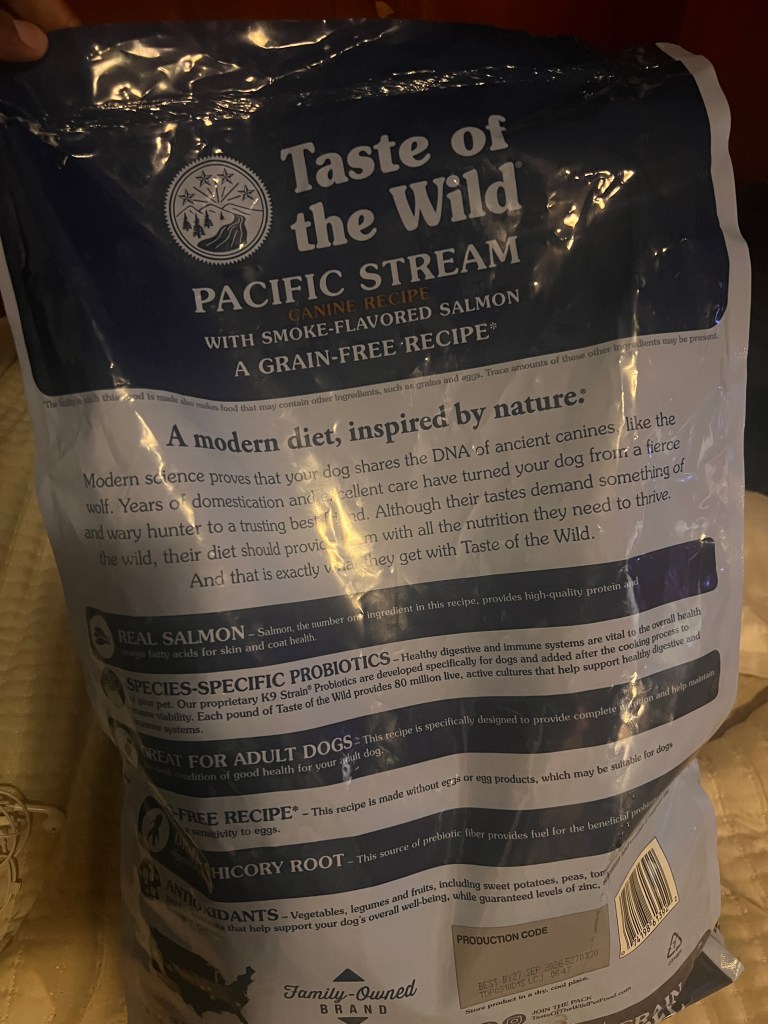
- Kibble: shelf-stable, portion-consistent, easier transitions
- Raw/home-prepped: customization; requires safe handling & balance(trust me I KNOWWW how hard it is to meal prep but it is so worth it)
Tip: Keep a 7-day feeding log (portion → stool quality → energy level).
 SmartPup Nutrition